

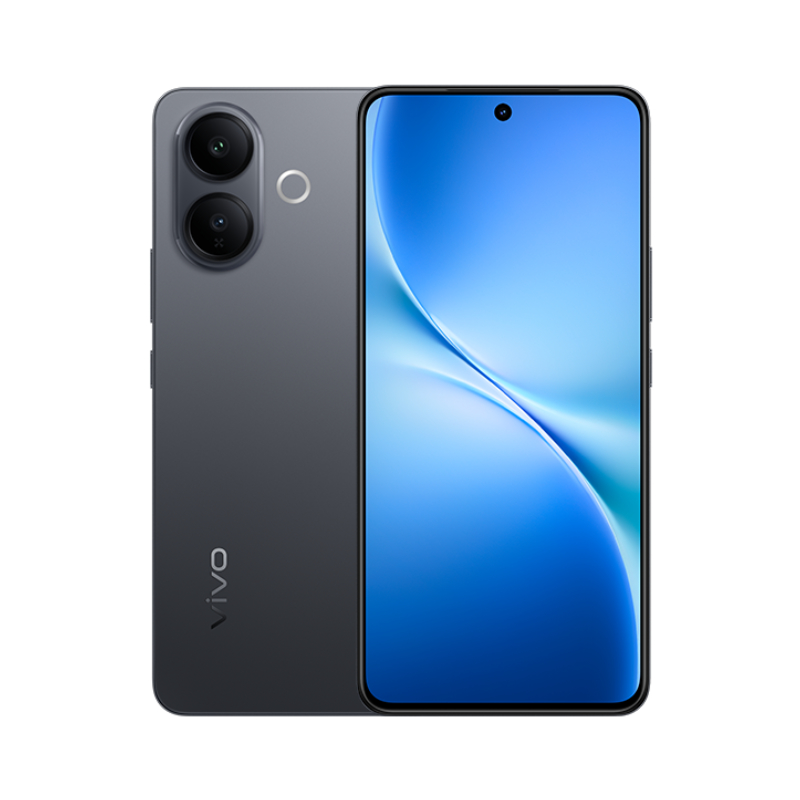
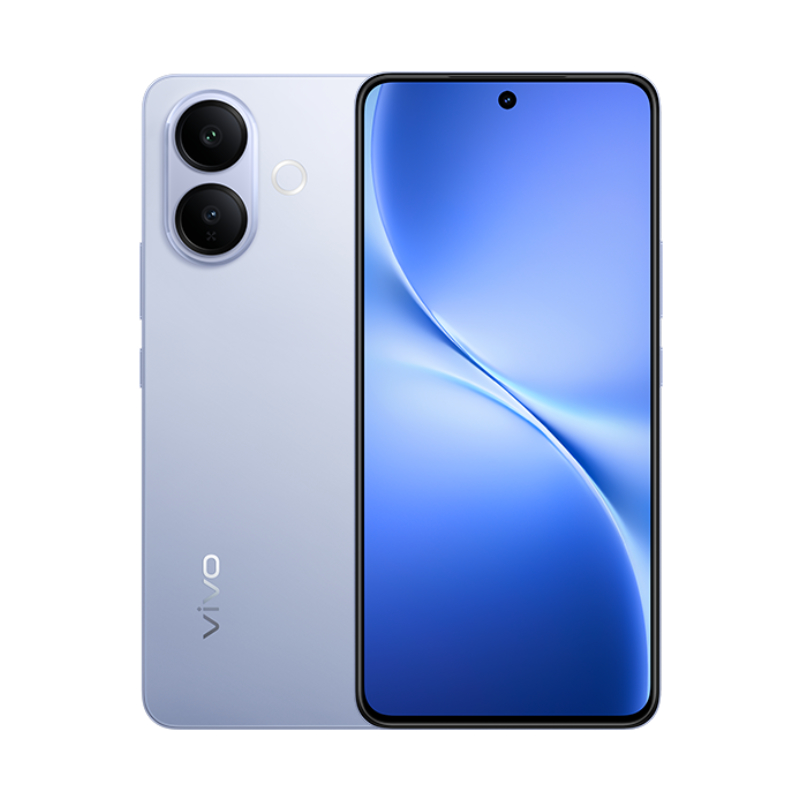
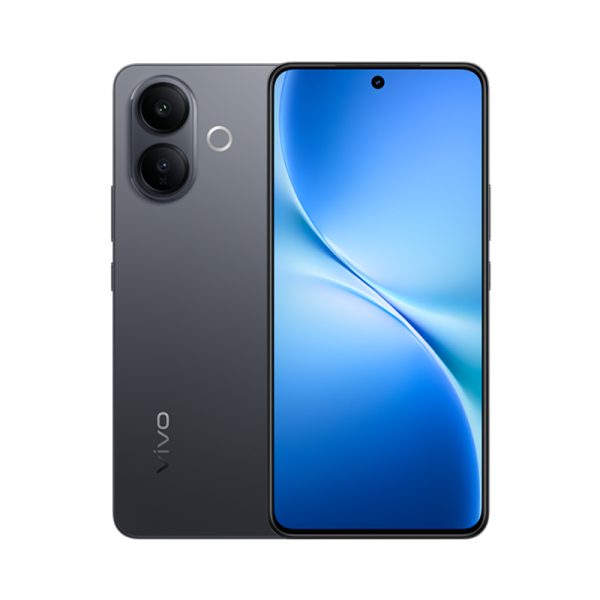
Vivo V60 Lite 4G
KSh 34,999.00
Key Features and Specifications
- RAM: 8GB
- Internal Storage: 256GB
- Display: 6.77-inch AMOLED
- OS: Android 15, Funtouch 15
- Chipset: Snapdragon 685 (6nm)
- Main Camera: 50MP + 8MP
- Selfie Lens: 32MP
- Connectivity: 4G, Wi-Fi 6, Bluetooth 5.4, GPS, NFC, USB 2.0.
- Battery: 6500mAh, 90W wired
- Colors: Black, Blue
Accessible Design and Practical Construction
The Vivo V60 Lite 4G represents strategic market positioning that delivers V-series design language and core functionality at highly accessible price points through careful feature optimization, omission of 5G connectivity hardware, and cost-conscious engineering that prioritizes essential capabilities over cutting-edge specifications. The overall design philosophy maintains recognizable V-series aesthetic identity while incorporating practical compromises enabling competitive pricing for markets where 5G infrastructure remains limited or target demographics prioritize affordability over next-generation connectivity. The front fascia features optimized screen-to-body ratio through efficient bezel management and component placement, creating contemporary appearance and satisfying viewing experiences while utilizing cost-effective manufacturing techniques rather than expensive edge-to-edge implementations requiring advanced assembly precision.
The rear panel design showcases thoughtful aesthetic execution delivering appealing visual identity through smart material selection and surface treatments rather than premium materials that would elevate costs beyond target price positioning. Surface finishes potentially include gradient color treatments creating dynamic appearance under varying lighting, textured matte finishes providing grip security while resisting fingerprints, or glossy finishes with multi-layer coatings creating depth perception at accessible manufacturing costs. Color options typically span from conservative professional tones to vibrant youthful colors targeting style-conscious younger demographics who view smartphones as fashion accessories and personal statements. Material selection balances perceived quality with manufacturing efficiency, utilizing high-quality polycarbonate with premium finishing techniques that deliver satisfying aesthetic experiences without expensive glass or ceramic implementations.
The camera module design maintains V-series visual identity creating brand recognition and communicating photographic capabilities through distinctive styling that differentiates the device from generic budget offerings. Module arrangement may feature geometric layouts artistically organizing camera sensors, flash modules, and decorative elements creating visual interest and premium perception beyond pure functional requirements. Styling potentially incorporates contrasting finishes, subtle metallic accents, or dimensional elements elevating appearance above basic budget camera bump implementations. The module protrusion is managed through engineering optimization balancing optical requirements with aesthetic goals, minimizing elevation while accommodating lens assemblies requiring physical depth for focusing mechanisms and optical performance.
Frame construction utilizes materials selected for optimal balance between structural integrity, weight management, and strict cost control essential for budget-friendly positioning. Reinforced polymer composites provide adequate structural support maintaining device rigidity during handling while incorporating basic impact distribution features protecting internal components during accidental drops common in real-world usage. Button integration demonstrates reasonable manufacturing quality with tolerances eliminating excessive wobble while providing tactile feedback confirming activation. Physical button placement follows conventional ergonomic principles with power buttons and volume controls positioned for intuitive access during single-handed operation, though potentially without premium touches like textured power buttons or customizable action buttons found in higher-tier implementations.
Ergonomic considerations throughout the Vivo V60 Lite 4G reflect understanding that budget devices must deliver comfortable daily experiences matching their functional capabilities to ensure user satisfaction and positive ownership experiences. Dimensional optimization balances adequate screen size with hand-friendly proportions preventing excessive width that would strain thumbs during one-handed text input or navigation. Thickness measurements accommodate necessary battery capacity while avoiding excessive bulk that would create uncomfortable pockets or cause hand fatigue during extended holding periods. Weight remains manageable through material selection and component optimization, enabling comfortable extended usage during video watching, gaming sessions, or photography activities without causing hand strain or requiring frequent position adjustments.
Durability features incorporate practical protective measures appropriate for budget positioning acknowledging that users may not immediately invest in cases, Functional Display and Everyday Visual Performance
Functional Display and Everyday Visual Performance
The Vivo V60 Lite 4G features display technology carefully optimized to deliver satisfying visual experiences for everyday tasks while respecting strict budget constraints that prevent incorporation of premium panel technologies or advanced display features. The screen size likely ranges from 6.3 to 6.5 inches, providing adequate viewing area for multimedia consumption, social media browsing, messaging, photography review, and basic productivity applications while maintaining device dimensions suitable for comfortable handling, pocketing, and daily portability. Resolution specifications likely deliver HD+ or Full HD+ (depending on specific variant positioning) pixel density providing acceptable clarity for typical viewing distances, rendering text readably, displaying images with sufficient detail for social media consumption and casual photography review, though potentially lacking the exceptional crispness of higher-resolution implementations found in premium segments.
Refresh rate remains at standard 60Hz appropriate for budget positioning, providing conventional scrolling fluidity and animation responsiveness meeting basic expectations without the premium smoothness of 90Hz or 120Hz implementations increasingly common in mid-range and flagship segments. The 60Hz refresh rate delivers adequate responsiveness for typical usage including social media browsing, web surfing, messaging, video consumption, and casual gaming, though users transitioning from high-refresh displays will notice less fluid interface animations and scrolling behaviors. Touch responsiveness meets fundamental expectations with sampling rates sufficient for accurate typing, navigation gestures, and casual gaming inputs, though potentially lacking ultra-low latency and precision sampling rates valued by competitive mobile gamers or users with demanding responsiveness standards.
Brightness capabilities determine practical usability across varying environmental conditions, with typical brightness reaching 400-500 nits enabling adequate indoor visibility and marginal outdoor usability in moderate lighting conditions without direct sunlight. Peak brightness may reach slightly higher levels briefly when auto-brightness detects strong ambient light, though outdoor viewing in direct sunlight presents challenges common to budget displays where brightness limitations may require seeking shade or using hands to shield screens for comfortable content viewing. This represents acceptable compromise at budget price points where expensive high-brightness panels, specialized anti-reflective coatings, and advanced brightness management systems remain economically impractical. Minimum brightness settings dim adequately for comfortable nighttime usage without excessive eye strain, though potentially not reaching the extremely low levels preferred by some users for complete darkness viewing scenarios.
Display features focus on essential functionality appropriate for budget positioning rather than advanced capabilities found in premium implementations. Eye comfort modes reduce blue light emission during evening hours using basic filtering that shifts color temperature toward warmer tones, potentially reducing eye strain and supporting healthier sleep patterns for users engaging with devices before bedtime, though potentially creating more noticeable yellow color shift compared to sophisticated filtering algorithms in premium devices. Reading modes may optimize display characteristics for extended text consumption, adjusting brightness, contrast, and potentially font rendering for improved legibility during e-book reading or document review. Dark mode support throughout system interface and supported applications may be available, reducing eye strain in low-light environments and potentially extending battery life on AMOLED implementations where black pixels consume no power.
Essential 4G Connectivity and Reliable Communication
The Vivo V60 Lite 4G incorporates comprehensive 4G LTE connectivity as primary network technology, representing pragmatic positioning for markets where 5G infrastructure deployment remains limited, where target demographics prioritize affordability over next-generation connectivity, or where carrier 4G networks provide adequate speeds for typical smartphone usage patterns. The 4G LTE modem supports multiple frequency bands ensuring reasonable global compatibility and network performance adequate for everyday browsing, social media engagement, video streaming at moderate resolutions, messaging applications, and app downloads. Download speeds typically range from 10-150Mbps depending on network congestion, carrier implementation, signal conditions, and infrastructure quality—performance sufficient for HD video streaming, rapid web page loading, and reasonably quick application installations without multi-gigabit speeds that remain unnecessary for majority budget user workflows.
Network management optimizes connectivity through fundamental algorithms managing transitions between 4G LTE, 3G fallback where still supported, and Wi-Fi networks based on signal strength and availability, ensuring maintained connectivity across varying coverage scenarios encountered during daily mobility. Dual SIM functionality with dual standby allows both SIM cards to maintain network connections simultaneously, providing flexibility particularly valuable in markets where users commonly maintain separate personal and business numbers, utilize different carriers for voice and data based on pricing advantages, or need local and international SIM cards during travel. VoLTE (Voice over LTE) support where carrier-enabled delivers clearer voice quality, faster call connection times, and maintained data connectivity during calls compared to circuit-switched fallback technology disconnecting data during voice calls.
Wi-Fi capabilities support fundamental Wi-Fi 4 (802.11n) or Wi-Fi 5 (802.11ac) standards providing adequate wireless networking performance for home networks and public hotspot connectivity meeting typical daily requirements. Wi-Fi 5 support, if implemented, delivers faster maximum theoretical speeds and improved performance in moderately congested environments compared to older Wi-Fi 4, though real-world benefits depend heavily on router capabilities, network configuration, and environmental interference. The Wi-Fi implementation handles typical home networking scenarios including video streaming from services like YouTube and Netflix, web browsing, social media usage, cloud synchronization, messaging applications, and application downloads with acceptable performance, though potentially lacking advanced features like MU-MIMO, beamforming, or sophisticated QoS found in premium implementations.
Bluetooth connectivity implements version 5.0 or potentially 5.1 providing adequate wireless personal area networking for connecting increasingly common accessories including wireless headphones, earbuds, speakers, smartwatches, fitness trackers, and other peripherals in budget user ecosystems. The Bluetooth implementation maintains reasonably stable connections for audio streaming to wireless audio accessories, with basic codec support including SBC and potentially AAC providing acceptable audio quality for casual listening and entertainment, though lacking advanced codecs like aptX, aptX HD, or LDAC that would improve quality for audiophile users with premium wireless headphones. Connection reliability proves adequate for typical usage scenarios including audio playback, phone calls through wireless headsets, fitness data synchronization, and smartwatch connectivity, though potentially with occasional dropouts in electrically noisy environments or at maximum range limits.
Practical Camera System and Social Media Photography
The Vivo V60 Lite 4G features camera systems designed to meet fundamental photography needs for social media sharing, daily documentation, and casual photography without the cost and complexity of sophisticated multi-lens flagship imaging systems or advanced computational photography hardware. The primary rear camera likely features a modest sensor ranging from 13MP to 50MP depending on variant positioning, with moderate specifications providing adequate resolution for social media sharing, digital display viewing, and modest-size printing without the ultra-high megapixel counts that would add cost with marginal practical benefits for typical budget user photography workflows. In favorable lighting conditions including outdoor daylight and well-lit indoor environments, the primary camera produces acceptable images with reasonable colors, basic dynamic range, and exposure handling adequate for casual photography, social documentation, and memory preservation, though lacking wide dynamic range, sophisticated low-light performance, and computational photography depth found in premium implementations.
Secondary camera configurations vary significantly across regional variants and specific model positioning, potentially including depth sensors primarily supporting portrait mode computational effects, basic macro cameras enabling close-up photography, or in some cost-optimized implementations, placeholder cameras with minimal functional contribution beyond marketing specifications. Some variants may feature genuine ultra-wide cameras providing expanded perspective for landscape and group photography, though typically with modest specifications and image quality noticeably below primary camera performance. Users should research specific configurations available in their markets, understanding that “dual camera” or “triple camera” marketing may not indicate multiple fully functional photographic tools with distinct capabilities, as some sensors serve primarily computational support roles rather than standalone photography functions.
Low-light photography represents significant challenges for budget camera systems lacking large sensors, optical image stabilization, sophisticated computational processing, and advanced lens designs that enable premium devices to capture usable images approaching complete darkness. Basic night mode implementations, if present, capture multiple exposures at varying settings and merge them with fundamental processing to reduce noise and improve brightness compared to single-exposure capture, though results typically show significant grain, limited detail preservation, potentially muddy colors, and motion blur from subject or camera movement during multi-frame capture sequences. Users should maintain realistic expectations for low-light performance, understanding that challenging lighting conditions require seeking available light sources, using stable holding techniques or improvised support, accepting quality limitations inherent in budget imaging hardware, or recognizing scenarios where photography may not produce usable results without supplementary lighting.
Video recording capabilities meet basic documentation and casual content creation needs with specifications typically including 1080p Full HD recording at 30fps representing standard implementation for the budget segment. Video quality proves adequate for personal recording, social media sharing, family documentation, and casual vlogging, though lacking advanced stabilization, high frame rate options, 4K resolution, or professional features found in mid-range and premium devices. Electronic image stabilization, if implemented, provides minimal shakiness reduction during relatively stable handheld recording, though significant camera movement produces noticeable jitter and wobble. Audio recording through built-in microphones captures acceptable sound for casual videos and personal documentation, though serious content creators would require external microphones and potentially separate recording devices for professional-quality audio capture.
All-Day Battery Performance and Standard Charging
The Vivo V60 Lite 4G incorporates generous battery capacity prioritizing extended endurance over slim profiles, with capacity likely ranging from 5000mAh to 5500mAh providing substantial energy reserves sufficient to power the device throughout full days of moderate to heavy usage without mid-day charging requirements creating usage anxiety or interruption. The substantial battery capacity represents strategic advantage in budget segments where users may value multi-day battery life over ultra-slim aesthetics, may lack consistent charging access throughout days due to work environments or daily routines, or simply prioritize the peace of mind that comes from knowing their primary communication and entertainment device won’t unexpectedly power down. Real-world battery life varies significantly based on individual usage patterns, with conservative users primarily engaged in calling, messaging, and light browsing potentially achieving two to three days between charges, moderate users balancing social media, video streaming, and web browsing comfortably achieving full-day endurance with substantial reserves, and heavy users engaged in gaming, extensive video consumption, and constant connectivity typically achieving comfortable single-day performance.
Power management systems optimize battery utilization through operating system-level controls managing background processes, connectivity modules, display parameters, and component power states to maximize runtime from the substantial battery capacity. The system continuously monitors application behavior, identifying power-hungry applications consuming excessive battery in background states and providing usage statistics and recommendations enabling users to make informed decisions about application management, usage pattern adjustments, or uninstallation of problematic apps. Battery optimization features may automatically restrict background activity for infrequently used applications, preventing unnecessary battery drain from apps running invisibly consuming resources without providing immediate user value or necessity. Doze mode activates during extended periods of device inactivity, dramatically reducing power consumption by severely limiting network activity, background processing, and wake locks, extending standby time to potentially weeks in extreme scenarios of complete non-use.
| Storage |
8GB/256GB |
|---|
You must be logged in to post a review.
Related products
Reviews
Clear filtersThere are no reviews yet.