


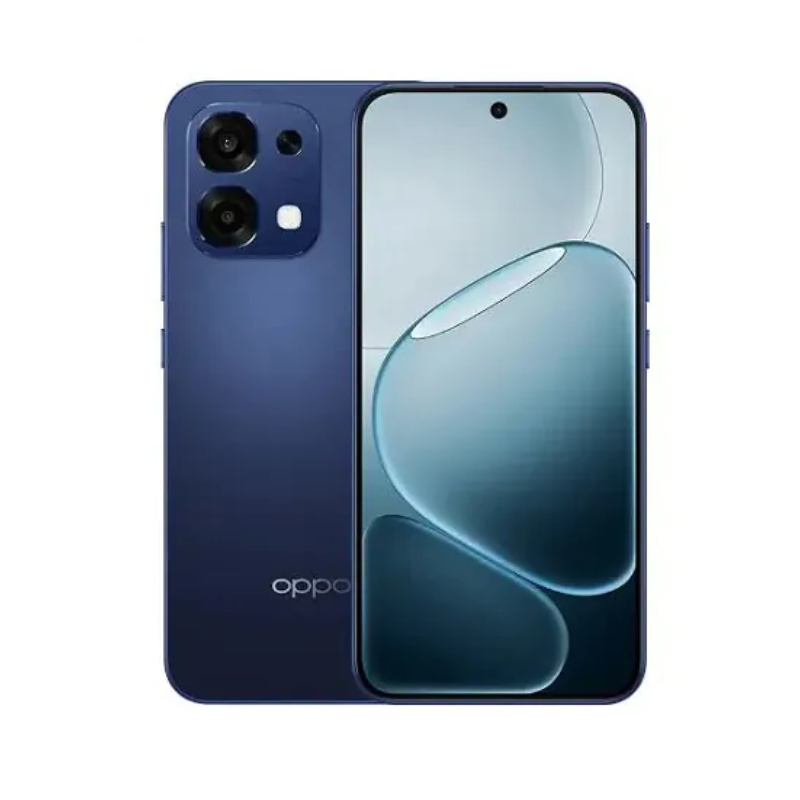

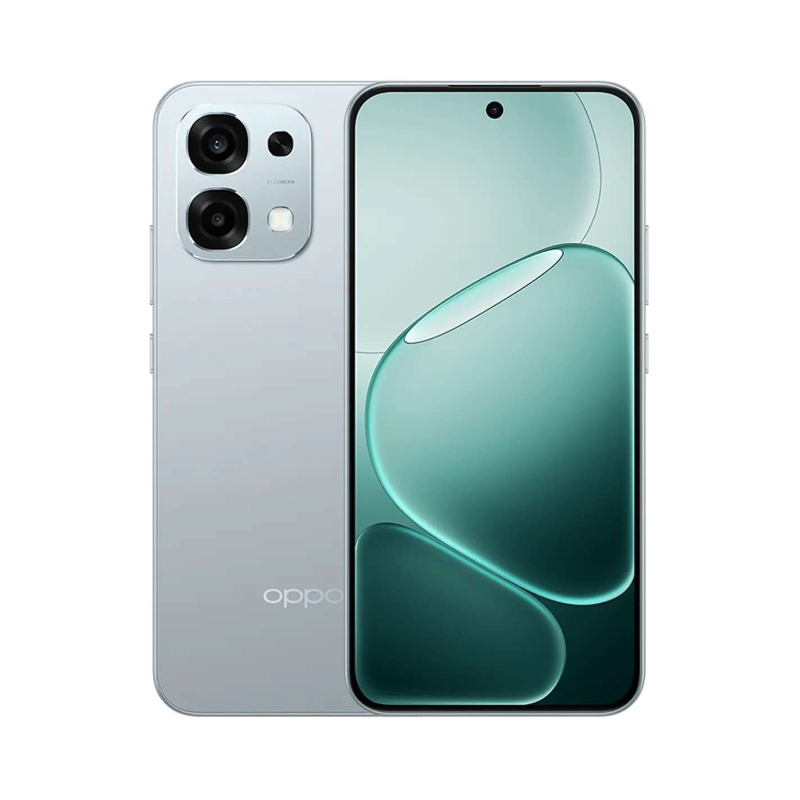






Oppo A6 Pro 4G
KSh 35,999.00
Key Features and Specifications
- RAM: 8GB
- Internal Storage: 256GB
- Display: 6.57-inch AMOLED
- OS: Android 15, ColorOS 15
- Chipset: Mediatek Helio G100 (6 nm)
- Main Camera: 50MP + 2MP
- Selfie Lens: 16MP
- Connectivity: 4G, Wi-Fi, Bluetooth 5.4, GPS, NFC, USB 2.0.
- Battery: 7,00mAh, 80W wired
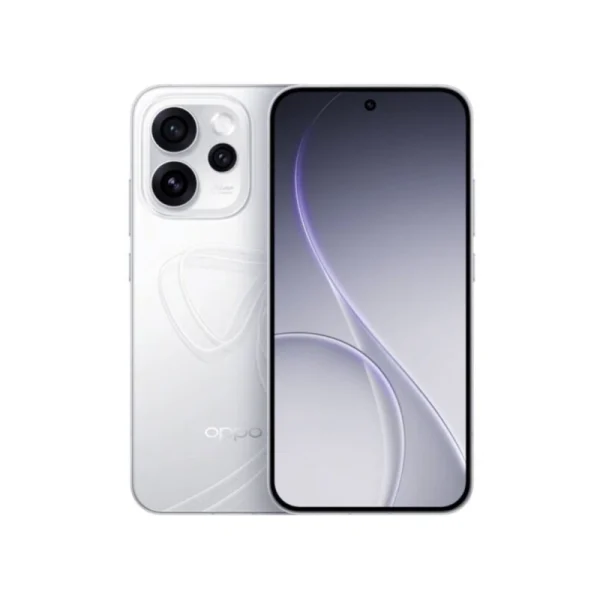
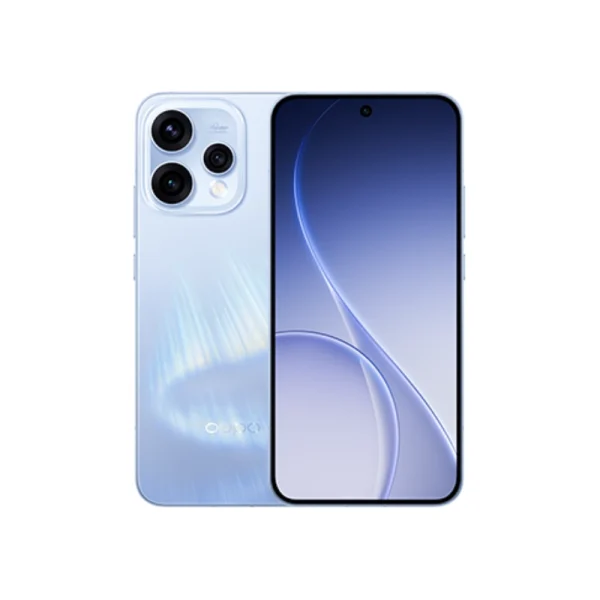
- Colors: Lunar Titanium, Stellar Blue, Coral Pink, Rosewood Red
Enhanced Design and Refined Build Quality
The Oppo A6 Pro 4G represents a strategic upgrade within the budget-conscious A-series lineup, delivering enhanced design elements and improved build quality that elevate it beyond basic budget offerings while maintaining accessible pricing. The device showcases thoughtful design refinement that balances aesthetic appeal with practical durability, creating a smartphone that feels more premium than its price point suggests. The front panel features optimized screen-to-body ratio through reduced bezels and intelligent component placement, maximizing display area while maintaining structural integrity necessary for long-term durability. The implementation of the front-facing camera follows contemporary design trends, potentially using waterdrop notch, punch-hole, or similar discrete solutions that minimize intrusion into the viewing area while providing quality selfie capabilities.
The rear panel design demonstrates attention to detail uncommon in budget segments, with finishing options that may include gradient color treatments, textured surfaces for improved grip, or subtle pattern work that adds visual interest beyond plain solid colors. The color palette typically spans multiple options from conservative professional tones suitable for business environments to vibrant youthful colors targeting younger demographics and fashion-conscious users. Surface treatments incorporate fingerprint-resistant coatings that maintain clean appearance throughout daily use without requiring constant cleaning, addressing one of the most common frustrations with glossy budget smartphones. The material selection balances cost-effectiveness with perceived quality, using engineered polymers or composite materials that provide durability while keeping weight manageable for all-day carrying comfort.
The camera module design integrates photography hardware into the rear panel aesthetic with styling that creates visual interest while protecting delicate optical components. The arrangement may feature vertical, horizontal, or square configurations that house multiple camera sensors, flash modules, and potentially decorative elements that enhance premium perception. The module protrusion is minimized through engineering optimization, though some elevation above the rear panel remains necessary to accommodate optical assemblies requiring physical depth for focusing mechanisms and lens elements. Protective rings around individual lenses prevent direct contact with surfaces when the device is placed camera-down, reducing scratch risk to critical optical components that would permanently degrade image quality.
Frame construction utilizes materials selected for optimal balance between strength, weight, and cost, typically featuring reinforced polymer composites or aluminum alloy frames depending on specific variant positioning. The frame provides structural backbone that maintains device rigidity during daily handling while absorbing and distributing impact forces during accidental drops. Button placement follows ergonomic principles with power buttons and volume controls positioned where fingers naturally rest during single-handed operation. The tactile feedback from physical buttons provides satisfying confirmation of activation without requiring excessive force that would cause fatigue during frequent use. Port placement accommodates user preferences with charging ports, headphone jacks (if retained), and speaker grilles positioned to avoid obstruction during typical holding positions or gaming scenarios.
Display Technology and Visual Experience Optimization
The Oppo A6 Pro 4G features display technology carefully optimized to deliver satisfying visual experiences while respecting budget constraints that prevent incorporation of premium panel technologies. The screen size likely ranges from 6.5 to 6.7 inches, providing generous viewing area for multimedia consumption, gaming, social media, and productivity applications while maintaining device dimensions suitable for comfortable handling and pocketing. Resolution specifications typically deliver Full HD+ (2400×1080 or similar) pixel density that renders text with clarity, displays images with detail, and provides viewing experiences significantly superior to basic HD implementations found in ultra-budget alternatives. The aspect ratio follows contemporary standards around 20:9, maximizing vertical screen space particularly valuable for scrolling through social media feeds, reading documents, and viewing modern video content optimized for tall formats.
Display panel technology balances cost considerations with visual quality requirements, potentially using IPS LCD or basic AMOLED panels depending on specific positioning within the Pro tier. IPS LCD implementations provide wide viewing angles, good color reproduction, and adequate brightness at lower costs than AMOLED, making them popular choices for budget-conscious devices. If AMOLED is implemented, users benefit from superior contrast ratios, true black reproduction, and more vibrant colors, though potentially with some compromises in peak brightness or longevity compared to flagship AMOLED panels. Color accuracy targets pleasing rather than professional-grade precision, with saturation levels tuned to make photos and videos appear vibrant and engaging for social media consumption and casual photography review.
Refresh rate specifications in the A6 Pro 4G may include 90Hz implementations that provide noticeably smoother scrolling and interface animations compared to standard 60Hz displays, creating premium feel that differentiates the device from basic budget offerings. The enhanced refresh rate reduces eye strain during extended usage, makes interface interactions feel more responsive, and improves gaming experiences in supported titles. Adaptive refresh rate functionality, if implemented, intelligently switches between maximum refresh rates during active interaction and standard 60Hz during static content viewing, optimizing smoothness while conserving battery life that higher refresh rates would otherwise consume. Touch responsiveness meets modern expectations with sampling rates sufficient for accurate typing, smooth scrolling, and gaming inputs without the lag or ghost touches that frustrate users of poorly calibrated budget devices.
Brightness capabilities determine usability across varying lighting environments from dim bedrooms to outdoor sunlight, with typical brightness reaching 450-550 nits enabling adequate visibility in most conditions. Peak brightness may exceed these levels briefly when auto-brightness detects strong ambient light, boosting visibility for outdoor usage though potentially not matching the extreme brightness capabilities of flagship devices in direct sunlight. Minimum brightness settings dim adequately for comfortable nighttime usage without blinding users or disturbing sleeping partners, with smooth brightness transitions preventing jarring jumps between levels. Auto-brightness functionality uses ambient light sensors to adjust display brightness appropriately, learning user preferences over time to reduce manual adjustment frequency while optimizing visibility and battery conservation.
Performance Hardware and Practical Computing Capabilities
The Oppo A6 Pro 4G is powered by processor technology selected to deliver reliable performance for everyday tasks while maintaining power efficiency and thermal characteristics appropriate for budget device designs without elaborate cooling systems. The chipset likely comes from Qualcomm’s Snapdragon 600 or 700 series, MediaTek’s Helio or Dimensity lineups, or similar mid-range silicon featuring balanced CPU architecture with performance cores handling demanding tasks and efficiency cores managing lighter operations. Clock speeds typically range from 2.0GHz to 2.5GHz for performance cores, providing adequate processing power for social media applications, web browsing, video streaming, messaging, and light productivity tasks that comprise majority usage for target demographics.
RAM configurations in the Oppo A6 Pro 4G provide sufficient memory for typical multitasking scenarios encountered by budget-conscious users, with options likely ranging from 6GB to 8GB depending on variant positioning. This memory capacity allows users to maintain commonly used applications in active memory, switching between messaging apps, social media platforms, web browsers, and media players without excessive reloading that would interrupt workflows. Virtual RAM expansion features may allocate 2-4GB of storage space as supplementary memory, extending total available RAM though at performance levels below physical RAM due to storage speed limitations. Memory management algorithms prioritize actively used applications while intelligently managing background processes, preventing memory exhaustion that would cause application crashes or system instabilities.
Storage specifications provide adequate space for applications, photos, videos, music, and documents expected to accumulate during typical device lifespans, with base configurations typically starting at 128GB. This capacity accommodates essential applications, moderate photo libraries, offline music collections, and downloaded video content without immediately requiring external storage expansion. Many implementations include microSD card slots supporting cards up to 256GB, 512GB, or even 1TB, allowing users to expand capacity as media libraries grow beyond internal storage limits. Storage technology likely uses eMMC 5.1 or entry-level UFS implementations that provide reasonable read and write speeds for application launches, file transfers, and media access, though not matching the blazing speeds of flagship UFS 3.1 or 4.0 storage solutions.
Graphics processing capabilities determine gaming performance and graphics-intensive application responsiveness, with integrated GPUs selected for balance between capability and power efficiency. The GPU handles casual and moderate gaming titles including popular games like PUBG Mobile, Call of Duty Mobile, Free Fire, and Mobile Legends at low-to-medium graphics settings with playable frame rates. While not designed for maximum-detail gaming experiences that would require flagship hardware, the A6 Pro 4G delivers enjoyable gaming sessions for popular multiplayer titles when graphics settings are configured appropriately for hardware capabilities. Video playback benefits from hardware acceleration that ensures smooth rendering of Full HD and potentially 4K content from streaming services and local media files while minimizing power consumption.
Camera Capabilities and Photography Features
The Oppo A6 Pro 4G features enhanced camera systems that prioritize practical photography capabilities for social media sharing, daily documentation, and casual photography without the cost and complexity of flagship imaging systems. The primary rear camera likely features a 48MP, 50MP, or potentially higher resolution sensor with pixel binning technology that combines multiple pixels into larger effective pixels for improved light gathering and image quality. In good lighting conditions, the primary camera produces detailed images with accurate colors, reasonable dynamic range, and exposure handling that manages mixed lighting scenarios competently. The sensor size, while smaller than flagship implementations, represents meaningful improvement over ultra-budget alternatives, capturing more light for better low-light performance and expanded dynamic range.
Secondary camera configurations may include depth sensors for portrait mode effects, macro cameras enabling extreme close-up photography, or potentially ultra-wide cameras providing expanded perspective for landscape and group photography. The specific implementation varies by market and variant, with some configurations prioritizing functional diversity while others may include supplementary sensors primarily supporting computational photography features. When ultra-wide cameras are included, they expand creative possibilities by capturing broader scenes than primary cameras can accommodate, perfect for architecture, landscapes, and group photos where stepping back isn’t practical. Macro capabilities, where present, allow users to discover details invisible to naked eyes in flowers, insects, textures, and small objects through extreme magnification.
Computational photography features leverage Oppo’s imaging expertise and AI processing to enhance image quality beyond what sensor hardware alone could deliver. AI scene recognition analyzes subjects and automatically adjusts settings for common scenarios including portraits, food, pets, landscapes, sunsets, and documents, applying appropriate optimizations for each category. Night mode captures multiple exposures at varying settings and merges them computationally to reduce noise while preserving detail in low-light conditions that would produce dark, grainy images from single exposures. HDR processing balances exposures across scenes with bright and dark areas, preventing blown-out skies or crushed shadows that would result from single-exposure capture of high-contrast scenes.
Portrait photography capabilities use depth sensors or computational depth mapping to simulate background blur characteristic of professional cameras with large sensors and fast lenses. Edge detection algorithms separate subjects from backgrounds with reasonable accuracy in straightforward scenarios, though potentially struggling with complex elements like fine hair details, glasses, or transparent objects. Background blur intensity is typically adjustable, allowing users to control effect strength according to creative preferences. Portrait lighting effects may include simulated studio lighting setups that add dramatic shadows, highlights, and fill lighting, enabling flattering portraits without expensive lighting equipment or photography expertise.
Low-light photography represents challenging scenarios for budget camera systems, with the A6 Pro 4G addressing this through software optimization and night mode features rather than expensive large sensors and optical image stabilization. Night mode functionality captures multiple frames at varying exposures and intelligently merges them to reduce noise while maintaining detail, color accuracy, and reasonable brightness. Results won’t match flagship devices with larger sensors, OIS, and dedicated night photography hardware, but represent meaningful improvement over single-exposure capture. Understanding lighting limitations and using available light sources creatively allows users to achieve better results than simply pointing and shooting in challenging conditions, with the camera system providing enough capability to capture usable memories in most lighting situations.
Battery Performance and Charging Capabilities
The Oppo A6 Pro 4G incorporates substantial battery capacity strategically sized to deliver reliable all-day endurance for typical usage patterns without creating excessive device thickness or weight. Battery capacity likely ranges from 5000mAh to 5500mAh, providing energy reserves sufficient to power the display, processor, connectivity modules, and other components throughout full days of moderate usage. Real-world battery life varies significantly based on individual usage patterns, with conservative users primarily engaged in messaging, light browsing, and occasional media consumption potentially achieving two days between charges. Moderate users balancing social media, video streaming, photography, and web browsing typically achieve comfortable all-day endurance, while heavy users engaged in gaming, extensive video watching, and constant connectivity may approach daily charging requirements.
Power management systems optimize battery utilization through intelligent control of background processes, display parameters, connectivity modules, and component power states. The operating system monitors application behavior, identifying power-hungry apps and providing recommendations for restriction or optimization to extend battery life. Adaptive battery functionality uses machine learning to predict which applications will be used when, pre-loading frequently accessed apps while restricting background activity for rarely used applications that would otherwise consume power unnecessarily. Doze mode activates during extended periods of device inactivity, dramatically reducing power consumption by limiting network activity and wake locks, extending standby time to days or even weeks in some scenarios.
Fast charging technology provides meaningful improvements over standard USB charging speeds, with implementations potentially reaching 33W, 44W, or 67W depending on specific variant positioning within the Pro tier. These charging speeds enable meaningful battery recovery in brief charging sessions, with 30-minute charges potentially recovering 50-70% capacity depending on implementation. Full charges from completely depleted batteries typically complete in 60-90 minutes, representing significant time savings compared to 3-4 hour charging times from standard USB charging. The included charging adapter provides appropriate power output for supported fast charging speeds, ensuring users can immediately take advantage of fast charging capabilities without requiring separate accessory purchases.
Battery health considerations become important for users planning to maintain devices beyond typical 2-3 year upgrade cycles common in budget segments. Lithium-ion battery technology naturally degrades over charge cycles, with capacity diminishing gradually over months and years of use. The Oppo A6 Pro 4G may include battery optimization features that reduce overnight charging to 80% and complete the final 20% closer to typical wake times, reducing duration at maximum charge state that accelerates degradation. Temperature management during charging prevents excessive heat that would damage battery chemistry, though users should still avoid charging in extremely hot environments or covering devices with materials that trap heat during charging sessions.
| Storage |
8GB/256GB |
|---|
You must be logged in to post a review.
Related products

Reviews
Clear filtersThere are no reviews yet.